



Why Inspections Should Never Be Skipped
For many importers, the excitement of securing a new supplier and placing an order often overshadows the risks that come with overseas production. Without independent inspections, buyers may only discover issues after goods arrive — when it’s too late to resolve them. Whether it’s missing quantities, defective products, or improper packaging, skipping inspections can lead to expensive returns, wasted shipping fees, and reputational damage.
Different Inspection Options for Different Needs
Not all inspections serve the same purpose. Some are designed to check the first items off the production line, while others verify goods just before shipment. The choice depends on the buyer’s concerns — quality, timing, or accuracy of order fulfillment.
For those who want broader learning and industry analysis, exploring supply chain quality articles can provide valuable context on how inspections fit into global sourcing strategies.
Final Shipment Inspections: The Last Line of Defense
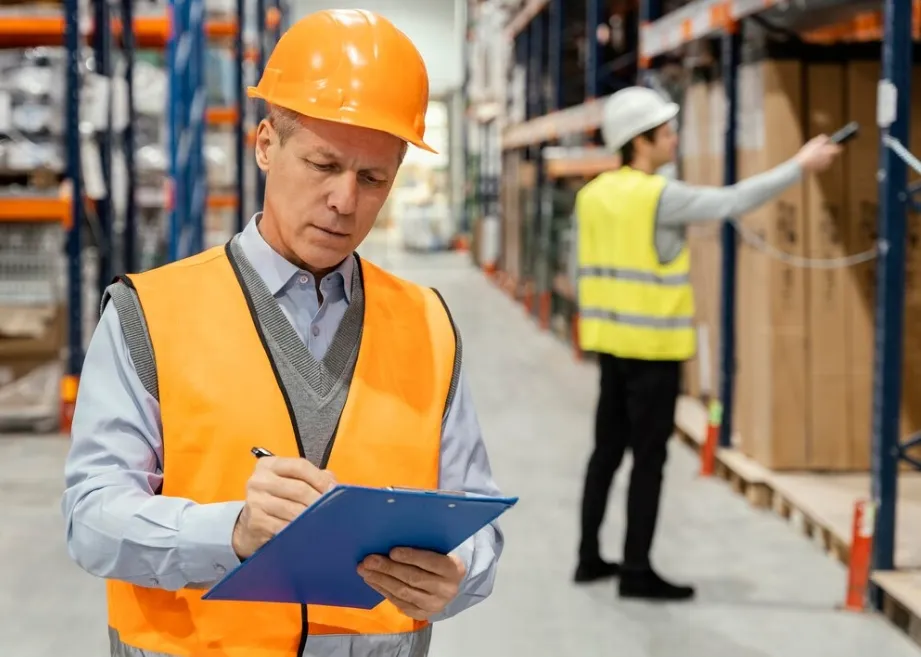
Final Shipment Inspections (FSI) are among the most popular options because they take place once production is 80–100% complete. Inspectors review both product quality and order quantities to ensure everything matches contractual requirements. By addressing defects before the goods leave the country, importers avoid expensive surprises at destination ports.
If ensuring shipment readiness is a top priority, importers often turn to professional product and shipment inspection services to confirm that cartons are properly packed, labeled, and counted before loading.
In-Process Checks Save Time and Money
Inspections performed mid-production, often called In-Process Inspections (IPI), allow buyers to identify and fix problems before large volumes are produced. This helps prevent wasted raw materials and reduces costly rework later. Adding an IPI alongside a final inspection creates a stronger quality control system and ensures deadlines are met.
Building Trust Through Verification
Beyond detecting defects, inspections send a message to suppliers that the buyer values quality and accountability. Over time, this encourages manufacturers to maintain higher production standards, which supports stronger, long-term relationships.
Importing without inspections is a gamble that few companies can afford. By investing in the right inspection services at the right time, buyers protect their budgets, safeguard their reputations, and ensure products meet expectations before they leave the factory floor.